Iron is the fourth most abundant element in the Earth's crust and the foundational material of global industrial production. In commercial metals trading, iron is handled across multiple product categories — from primary pig iron and direct reduced iron through to cast iron and ferrous scrap — each defined by carbon content, chemical composition, and metallurgical grade.
Carbon content
The primary differentiator: pig iron typically contains 3.5–4.5% C; cast iron 2.0–4.0% C; wrought iron below 0.08% C
Key impurities monitored
Sulphur (S), phosphorus (P), silicon (Si), manganese (Mn); all specified per grade and end-use application
Applicable standards
EN 1560, ASTM A48, ISO 185, GOST 805 depending on product form and origin
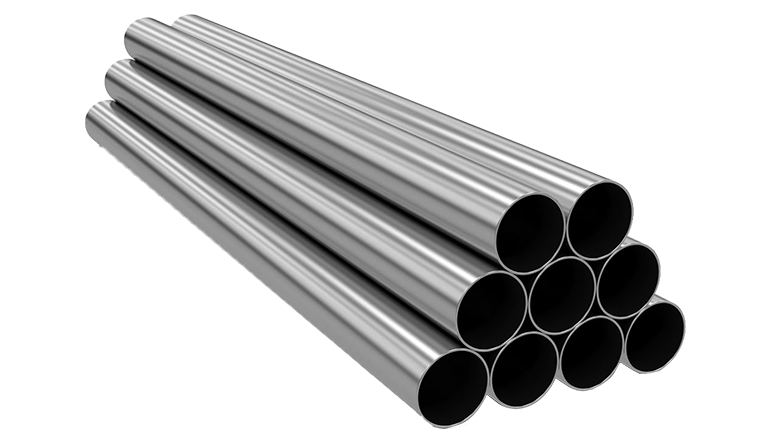
Pig iron (basic & foundry grade)
Primary iron produced in blast furnaces via reduction of iron ore with coke; Fe content typically 93–95%, with controlled levels of C, Si, Mn, S, P. Supplied in standard pigs or granulated form. Key spec: GOST 805, EN 15176.
Direct Reduced Iron (DRI) / Hot Briquetted Iron (HBI)
produced via direct reduction without blast furnace; Fe content 90–94%, low residual elements; preferred feedstock for electric arc furnace (EAF) steelmaking. HBI preferred for ocean freight due to reduced re-oxidation risk.
Cast iron
An iron-carbon alloy (C: 2.0–4.0%) with high compressive strength and excellent castability; traded in ingot form for foundry remelting. Grades differentiated by graphite structure: grey iron, white iron, ductile (nodular) iron, malleable iron.
Grey cast iron
Most widely traded foundry grade; free graphite in flake form provides good machinability and vibration damping. Tensile strength: 100–350 MPa depending on grade (EN-GJL-100 through EN-GJL-350).
Ductile (nodular) cast iron
Graphite in spheroidal form achieved through magnesium treatment; significantly higher tensile strength (400–900 MPa) and impact resistance vs grey iron. Grades per EN-GJS standard.
White cast iron
Hard, brittle, carbide-rich structure; used as intermediate product for malleable iron production and abrasion-resistant castings.
Wrought iron
Nearly pure iron (C < 0.08%) with fibrous slag inclusions; limited industrial production today, traded primarily for heritage restoration and specialist architectural applications.
Iron scrap (ferrous scrap)
Classified by grade per international standards (HMS 1&2, shredded scrap, cast iron scrap, turnings & borings); carbon and alloy content must be declared; critical feedstock for EAF and induction furnace operations.
Iron powder & sponge iron
Fine particulate or porous iron forms used in powder metallurgy, chemical industry, and as reductant in various industrial processes; Fe content 97–99.5%.
Direct Purchase Model

Reliability and Long-Term Focus