Brass is a copper-zinc alloy with a history spanning thousands of years — and a commercial relevance that continues to grow across modern manufacturing, construction, and precision engineering.
With its distinctive golden appearance, excellent machinability, and inherent corrosion resistance, brass occupies a unique position in the metals market as both a functional industrial material and a premium aesthetic product.
Brass ingots & billets — semi-finished feedstock for foundries, extruders, and rolling mills; supplied in standard and custom alloy compositions.
Brass rods & bars — the most widely traded form of brass; used in the production of fittings, fasteners, valves, and precision turned components.
Brass sheets & plates — flat-rolled products in various thicknesses and alloy grades; used in electrical terminals, decorative panels, and stamped components.
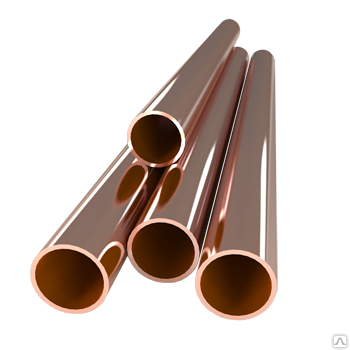
Brass tubes & pipes — widely applied in plumbing systems, heat exchangers, pneumatic fittings, and hydraulic components.
Brass profiles & extrusions — custom-shaped sections for architectural hardware, door and window fittings, and industrial assemblies.
Brass wire — used in mesh production, spring manufacturing, braiding, and electrical connector applications.
Brass scrap — graded post-industrial material including clean brass, mixed brass, and yellow brass scrap; a valuable secondary feedstock for brass mills and foundries.
Brass shavings & turnings — machining by-products from precision engineering operations, traded by alloy grade and zinc content.
Direct Purchase Model

Reliability and Long-Term Focus